

Introduction
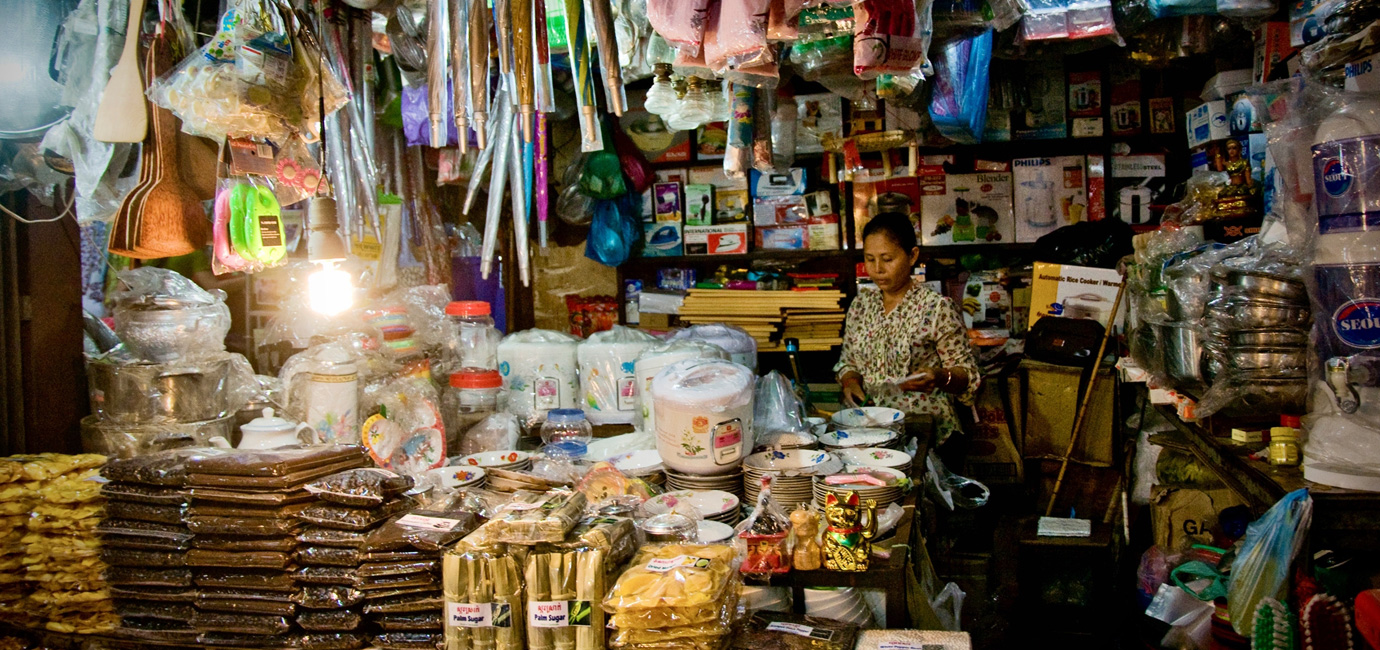
Micro, small and medium-sized enterprises (MSMEs) are the economic engines of the APEC region and of all APEC economies. MSMEs account for over 97 percent of all businesses, most private-sector employment and about half of private sector output within the region. MSME development can support growth in the APEC region and ensure that growth is sustainable and inclusive. MSMEs play a critical role in the development of new technologies including artificial intelligence and those that will support the digital and green transformations while many will also face challenges in adopting such technologies. MSMEs play an important link in growing trade and inter-connectedness within the APEC region through increasing their participation in trade from their current share of 35 percent or less of direct exports and through enhancing their connectedness to global value chains.
History and Objective
Within the context of the Asia-Pacific Economic Cooperation Forum, , small and medium-sized enterprises (SMEs) have been recognized as a priority area since the 1993 APEC Leaders’ Meeting in Seattle. First established in February 1995 as Ad Hoc Policy Level Group on SMEs, the group was renamed Small and Medium Enterprises Working Group (SMEWG) in 2000. The SMEWG primarily works to encourage the development of SMEs and to build their capacity to engage in international trade.
Vision Statement
The SME Working Group is the champion within APEC for the inclusive development of innovative, sustainable, and digitally empowered MSMEs that are well-equipped to meet the challenges of the 21st century.
Mission Statement
The SMEWG will further promote the development of an enabling environment, foster capacity building, and enhance the inter-connectedness of MSMEs within the APEC region through the sharing of best practices among APEC economies and building on synergies with other APEC fora, the private sector and other stakeholders to promote the development and growth of MSMEs in the Asia-Pacific region.
Ministerial and Plenary Meetings
The APEC SME Ministerial Meetings, held annually since 1994, set out the direction for the working group. The SMEWG held two plenary gatherings per year.
SMEWG Strategic Plan
In September 2024, SME ministers noted the endorsement of the SMEWG Strategic Plan for 2025–2028, which provided a roadmap to address critical issues pertaining to the growth of SMEs and microenterprises in the APEC region.
These priorities are the following:
- Start-up, entrepreneurship and business environment;
- Scale-up, innovation and growth, including through access to finance;
- Access to international markets and connecting to global value chains;
- Digitalization; and,
- Bio-circular-green transformation.
The SMEWG Strategic Plan 2025-2028 has taken into consideration in its development, not only the current challenges MSMEs must face, but also the forward-looking challenges as well as declarations and statements issued by APEC Leaders, APEC Ministers and APEC SME Ministers. The SMEWG, through its Strategic Plan 2025-2028, will make important contributions to the realization of the APEC Putrajaya Vision 2040 and the Aotearoa Plan of Action as well as the Bangkok Goals and the Lima Roadmap among others.
The SMEWG Terms of Reference for 2025 - 2028 gives the guiding principles on how the group operates in areas such as structure, leadership, meeting arrangements, fora review, quorum, sunset clause; list of tentative chair/vice chair and host of SMEWG meetings till 2040. Access the TOR here.
Last page update: October 2026
Contacts
|
Ruxin XIAO (Ms) APEC SMEWG Vice-Chair
Division Chief of International Cooperation Research Department |
Lucie VERREAULT (Ms) Program Director |
Current Activities
The 32nd APEC APEC SME Ministerial Meeting took place in Guangzhou, Guangdong Province, the People’s Republic of China on September 4, 2026. In line with the APEC 2026 theme “Building an Asia-Pacific Community to Prosper Together”, this Ministerial Meeting was convened under the theme of “Innovation Drives Progress, Partnership Delivers Prosperity”. The meeting agenda focussed on three key priorities: Scientific and Technological Innovation; Digital and Intelligent Empowerment; and Inclusive Development. A Chair Statement was issued.
The 62nd SMEWG Meeting was held on 2–3 September 2026 in Guangzhou, China. Building on the SMEWG Strategic Plan (2025–2028), members shared updates on initiatives relating to entrepreneurship and enabling business environments, innovation and access to finance, internationalisation, digitalisation, artificial intelligence (AI) adoption, and bio-circular-green transformation. Discussions emphasised strengthening MSME competitiveness through improved access to tailored financing, digital tools and global value chains. Members also exchanged best practices on startup development, social enterprises and digital marketplaces. A dedicated sharing session highlighted the role of scientific and technological innovation in helping MSMEs enter and thrive in the formal economy, including through digital platforms, responsible AI adoption, improved access to finance and enhanced cooperation among APEC economies.
The 61st SMEWG Meeting was held on 21–22 May 2026 in Seoul, Republic of Korea. Members shared updates on initiatives touching on startup ecosystem development, business environment reform, innovation financing, internationalization, digitalization, artificial intelligence (AI) adoption, smart manufacturing, and bio-circular-green transformation. Discussions placed emphasis on strengthening SME competitiveness through AI-enabled solutions, expanding access to finance and global value chains. The importance of supporting women-led enterprises and the transition from the informal to the formal economy was also discussed. Members exchanged on best practices, notably on promoting Environmental, Social, and Governance (ESG) governance and sustainable business practices, as well as enhancing cross-border trade through digital infrastructure, e-commerce, and digital trade systems.